Why Habits Beat Motivation Every Time
Motivation is fleeting. Habits are architecture. Here's the science behind why sustainable behavioral change has nothing to do with willpower.
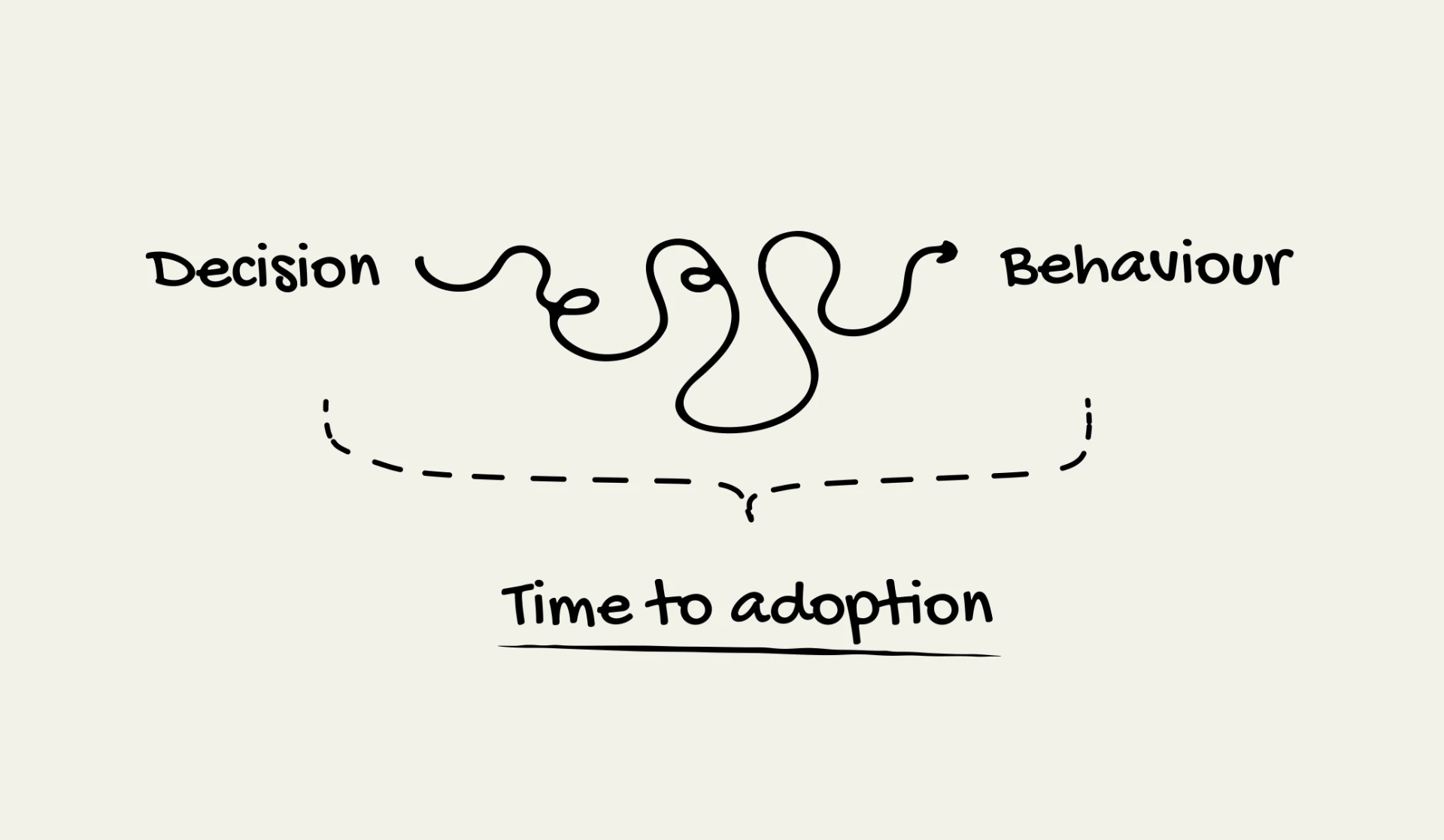
Most teams chase motivation. They run kick-off workshops, post inspiring quotes on Slack, and celebrate big wins. Then, three weeks later, nothing has changed.
This is not a motivation problem. It's a systems problem.
The Habit Loop
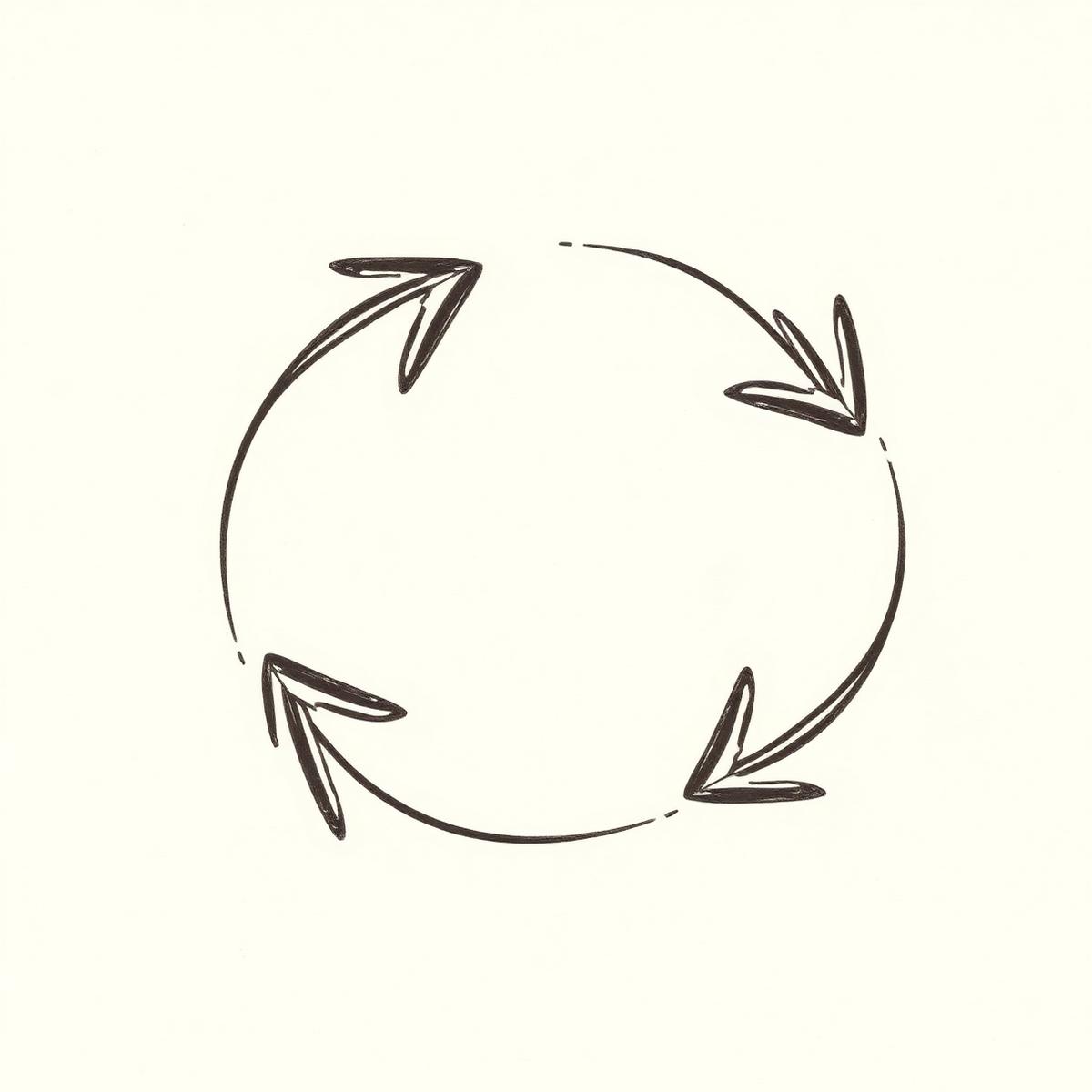
Every habit follows a simple three-part loop: cue → routine → reward. The cue triggers the behavior. The routine is the behavior itself. The reward reinforces it.
The problem with motivation-based change efforts is that they only address the reward. They make people want to do the thing — but they don't restructure the environment to make the cue more likely or the routine easier.
Environment Is the Real Lever
Research from behavioral economist Richard Thaler and legal scholar Cass Sunstein shows that the single most predictive factor of behavior is not intention — it's the environment. People default to what's easiest, most visible, and most socially normal around them.
Shiftic is built on this insight. Rather than asking employees to be more motivated, we help organizations redesign the environmental cues that make positive behaviors the path of least resistance.
What This Looks Like in Practice
- Surface the right prompts at the right moment — not in a training module, but in the workflow where the behavior needs to happen.
- Make progress visible — streaks, nudges, and milestone acknowledgments that close the feedback loop.
- Reduce friction for the desired behavior — and add friction to the undesired one.
Motivation will always have a role. But if your behavioral change strategy depends on it, you're building on sand. The teams that compound improvements over time are the ones who treat culture as infrastructure — something you design deliberately, not something that just happens.
Shiftic Editorial
Behavioral Science Team
We write about the science and practice of building lasting change in organizations.